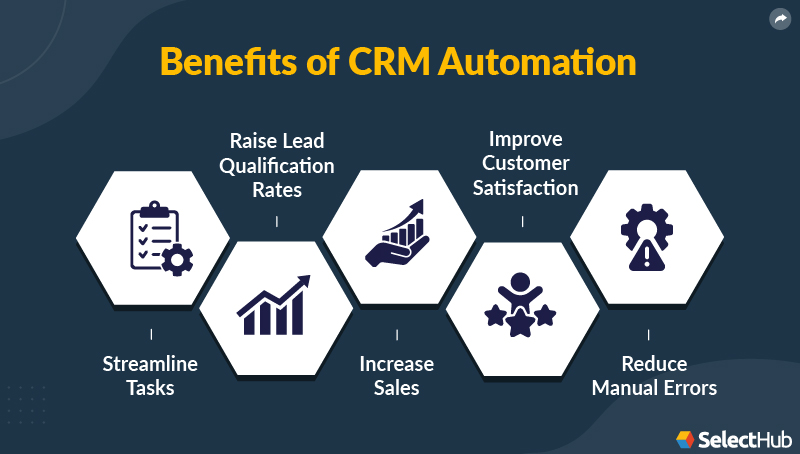
In today’s competitive business environment, companies need efficient ways to manage customer relationships while maximizing productivity. Customer Relationship Management (CRM) automation has become an essential solution for businesses seeking to save time, streamline workflows, and increase revenue. By automating repetitive tasks, organizations can focus more on building meaningful customer relationships and driving business growth.
CRM automation simplifies many daily business processes, including lead management, email marketing, customer follow-ups, appointment scheduling, and sales tracking. Instead of manually entering data or sending individual emails, automated workflows perform these tasks accurately and consistently. This reduces administrative workload, minimizes human error, and allows employees to dedicate more time to high-value activities.
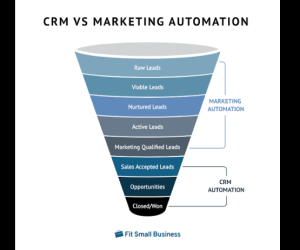
One of the greatest advantages of CRM automation is faster lead response. When a potential customer submits an inquiry, the CRM system can automatically assign the lead to the appropriate sales representative, send a personalized confirmation email, and schedule follow-up reminders. Prompt communication increases the likelihood of converting prospects into paying customers.
Automation also enhances customer engagement by delivering personalized experiences. CRM platforms can segment customers based on their preferences, purchase history, or behavior, enabling businesses to send relevant promotions and targeted marketing campaigns. Personalized communication strengthens customer relationships, improves satisfaction, and encourages repeat purchases.
In addition, CRM automation provides valuable insights through real-time analytics and reporting. Business leaders can monitor sales performance, evaluate marketing campaigns, and identify customer trends without manually compiling data. These insights support smarter decision-making and help organizations optimize their sales strategies for better results.
Although implementing CRM automation requires careful planning and employee training, the long-term benefits are substantial. Businesses often experience improved productivity, shorter sales cycles, higher customer retention, and increased revenue. As companies continue to embrace digital transformation, CRM automation has become more than just a productivity tool—it is a strategic investment that enables organizations to deliver exceptional customer experiences while achieving sustainable business growth and maintaining a competitive advantage in an evolving marketplace.