Cloud computing continues to play an important role in modern business. In 2026, cloud technology is moving beyond basic data storage and application hosting. Businesses are increasingly using cloud platforms to support artificial intelligence, automation, analytics, cybersecurity, and enterprise software.
One of the biggest cloud trends in 2026 is the rapid growth of AI-powered cloud infrastructure. Organizations need powerful computing resources to run generative AI, machine learning, and AI agents. Gartner forecasts that worldwide spending on AI-optimized Infrastructure as a Service (IaaS) will reach approximately $42.3 billion in 2026.
1. AI and Cloud Computing
Artificial intelligence is becoming closely connected with cloud computing. Cloud providers can offer scalable computing power that businesses can use without purchasing large amounts of physical hardware.
AI workloads are also changing cloud infrastructure priorities. Gartner expects inference spending to exceed training spending in 2026 as companies move AI applications from experimentation into production.
2. Hybrid Cloud Adoption
Hybrid cloud remains an important strategy for businesses that need flexibility. Companies can combine private infrastructure with public cloud services depending on their security, performance, compliance, and cost requirements.
Hybrid computing is also identified as an important infrastructure trend for 2026.
3. Cloud Security
As more business applications and sensitive information move to the cloud, security becomes increasingly important. Businesses need strong identity management, encryption, monitoring, access controls, and security policies.
Cloud security is especially important when companies deploy AI systems that process valuable corporate and customer data.
4. Cloud Cost Optimization
Cloud adoption does not automatically mean lower costs. Organizations need to monitor usage, eliminate unnecessary resources, optimize workloads, and select appropriate pricing models.
In 2026, businesses are becoming more focused on achieving measurable business value from their cloud investments rather than simply moving applications to the cloud.
5. Cloud ERP and Business Applications
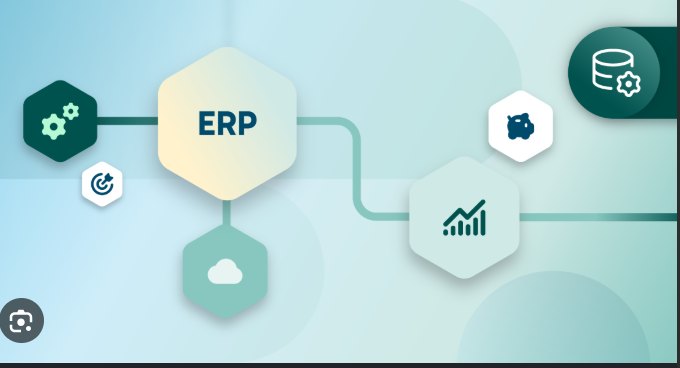
Cloud ERP is another important area of growth. Instead of maintaining large on-premise systems, businesses can use cloud-based ERP platforms to manage finance, supply chains, inventory, manufacturing, human resources, and other operations.
Cloud ERP can provide easier scalability, remote access, automatic updates, and integration with other business applications.