Best Cloud in 2026
Cloud computing has become an essential technology for businesses, organizations, and individuals in 2026. Companies are increasingly moving applications, data, and business operations to cloud platforms because they provide scalability, flexibility, security, and access to advanced technologies. Choosing the best cloud platform depends on the company’s requirements, budget, workload, and long-term goals.
Amazon Web Services (AWS)
Amazon Web Services is one of the leading cloud platforms in 2026. AWS provides a wide range of services for computing, storage, databases, networking, analytics, and artificial intelligence. Its extensive global infrastructure makes it suitable for businesses ranging from startups to large enterprises. AWS is particularly attractive for companies that need flexible infrastructure and a large selection of cloud services.
Microsoft Azure
Microsoft Azure is another leading choice for businesses in 2026. Azure offers cloud computing, artificial intelligence, databases, cybersecurity, analytics, and enterprise software integration. Companies already using Microsoft products such as Microsoft 365, Windows Server, and Dynamics can benefit from Azure’s strong integration with the Microsoft ecosystem.
Google Cloud
Google Cloud is well known for its capabilities in artificial intelligence, machine learning, data analytics, and cloud infrastructure. In 2026, it remains an attractive option for organizations that rely heavily on data and AI technologies. Google Cloud also provides scalable services that can support both small companies and large enterprises.
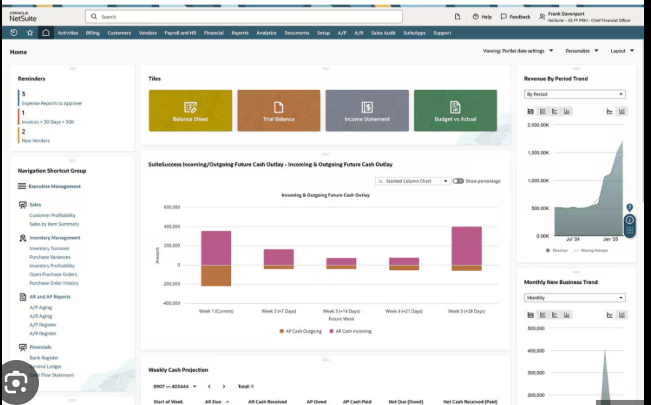
Oracle Cloud
Oracle Cloud is an important option for organizations that depend on enterprise databases and business applications. It provides cloud infrastructure, databases, analytics, and enterprise solutions. Companies using Oracle applications can benefit from its integrated cloud environment.
Conclusion
There is no single best cloud platform for every business in 2026. AWS is a strong choice for flexibility and service variety, Azure is well suited to Microsoft-focused organizations, Google Cloud stands out for AI and data analytics, while Oracle Cloud is valuable for enterprise workloads.
Before choosing a cloud provider, businesses should compare pricing, performance, security, available services, scalability, and technical support to find the solution that best matches their needs.